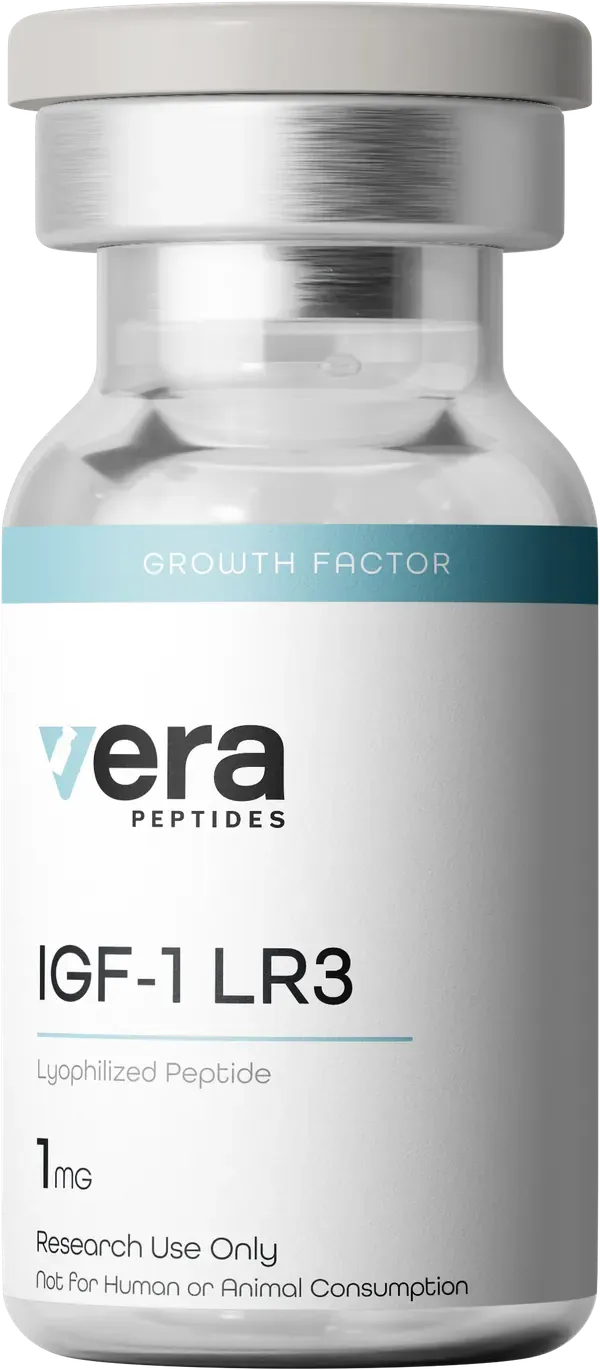
Growth Hormone Secretagogues
GHRH analogs and growth-hormone-releasing peptides.
Growth hormone secretagogues are a class of peptides that stimulate the pituitary somatotrophs to release endogenous growth hormone, either by mimicking ghrelin at the GHS-R1a receptor or by acting as GHRH analogs. They are studied for their downstream effects on IGF-1 levels, body composition models, and the somatotropic axis.
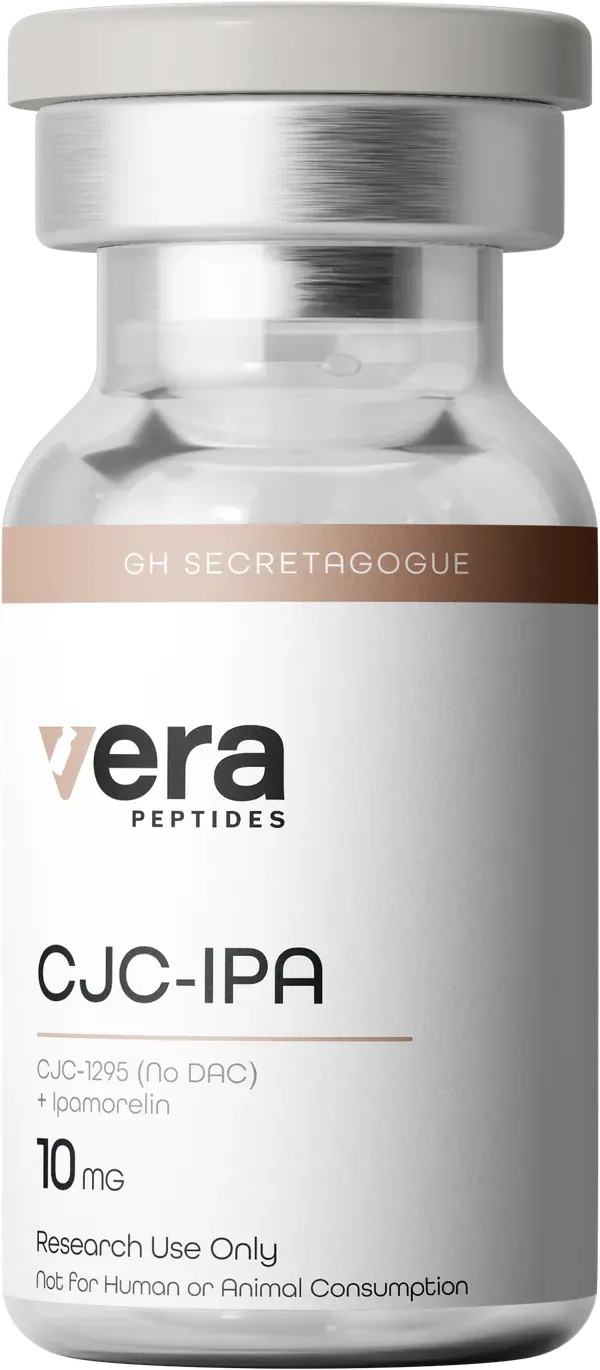
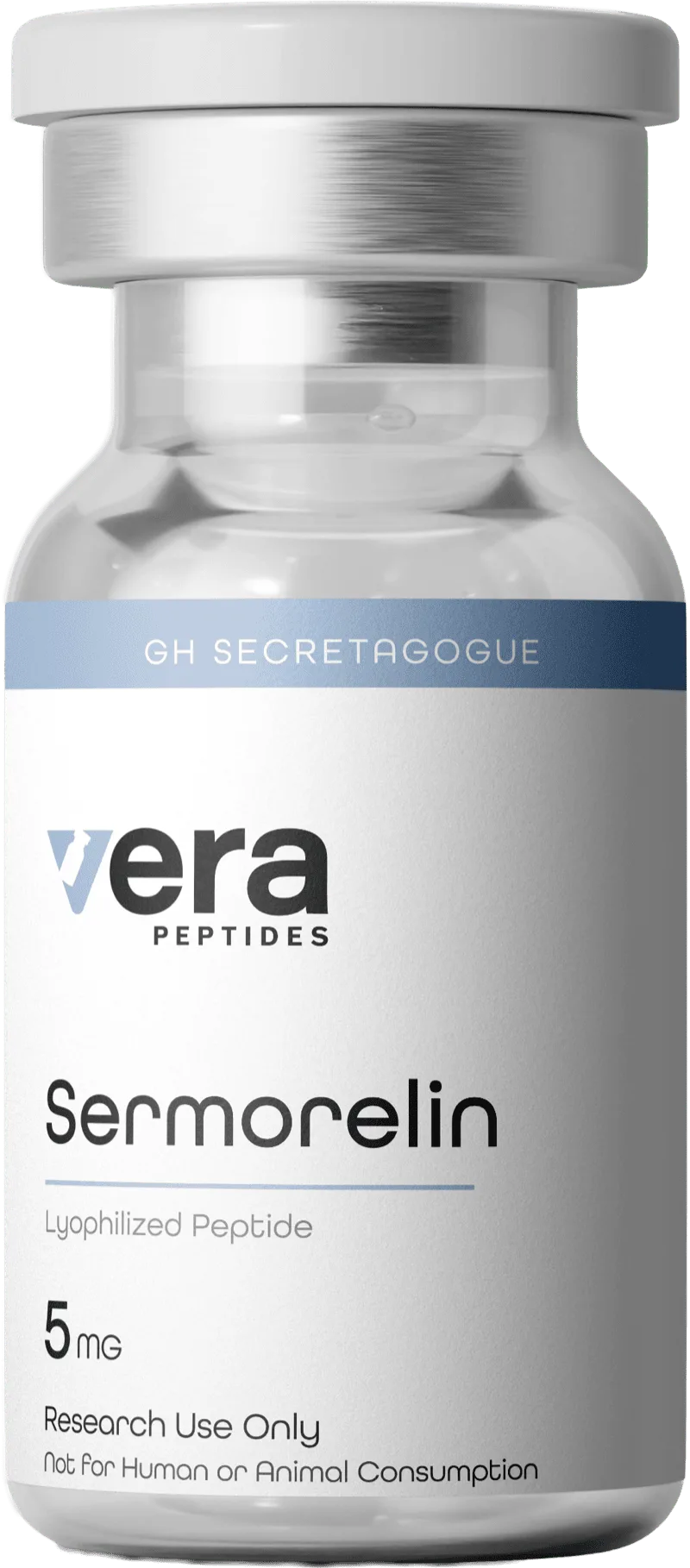
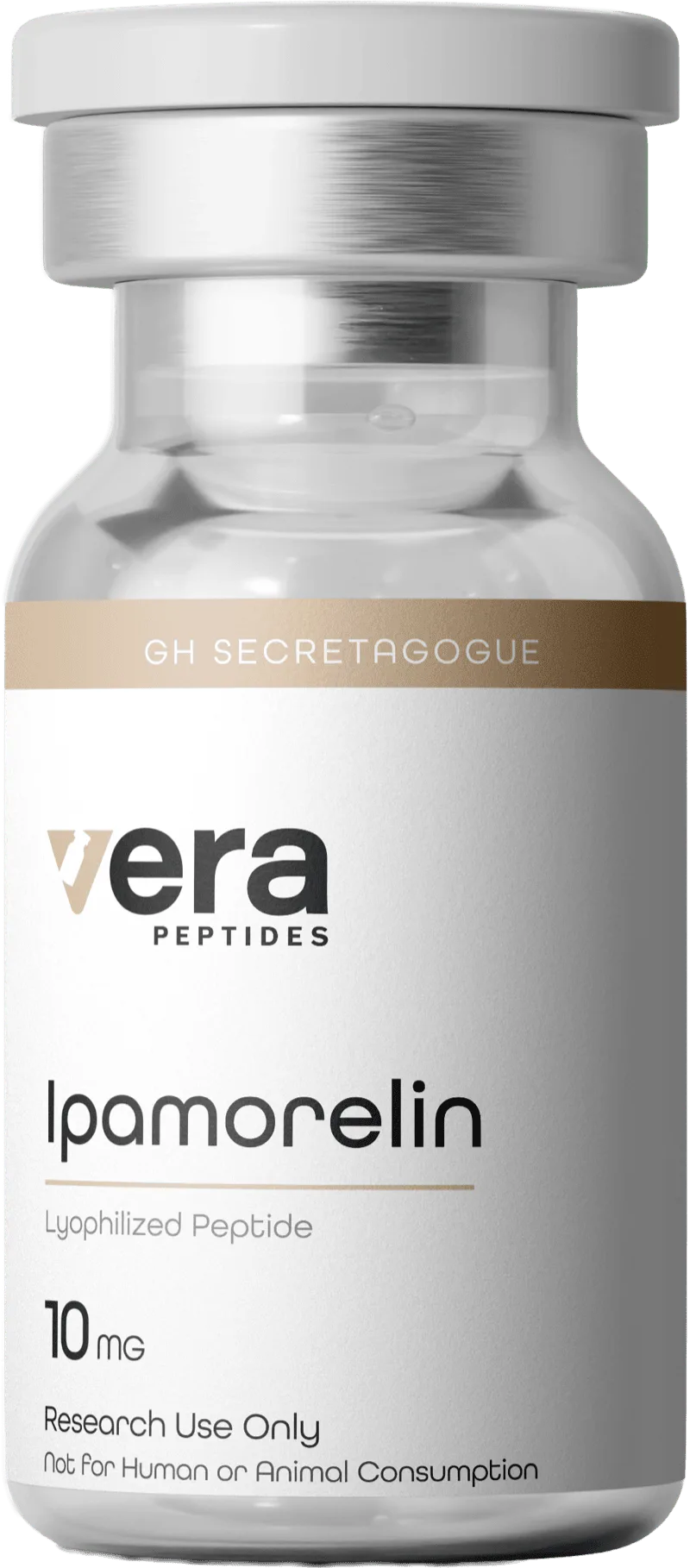
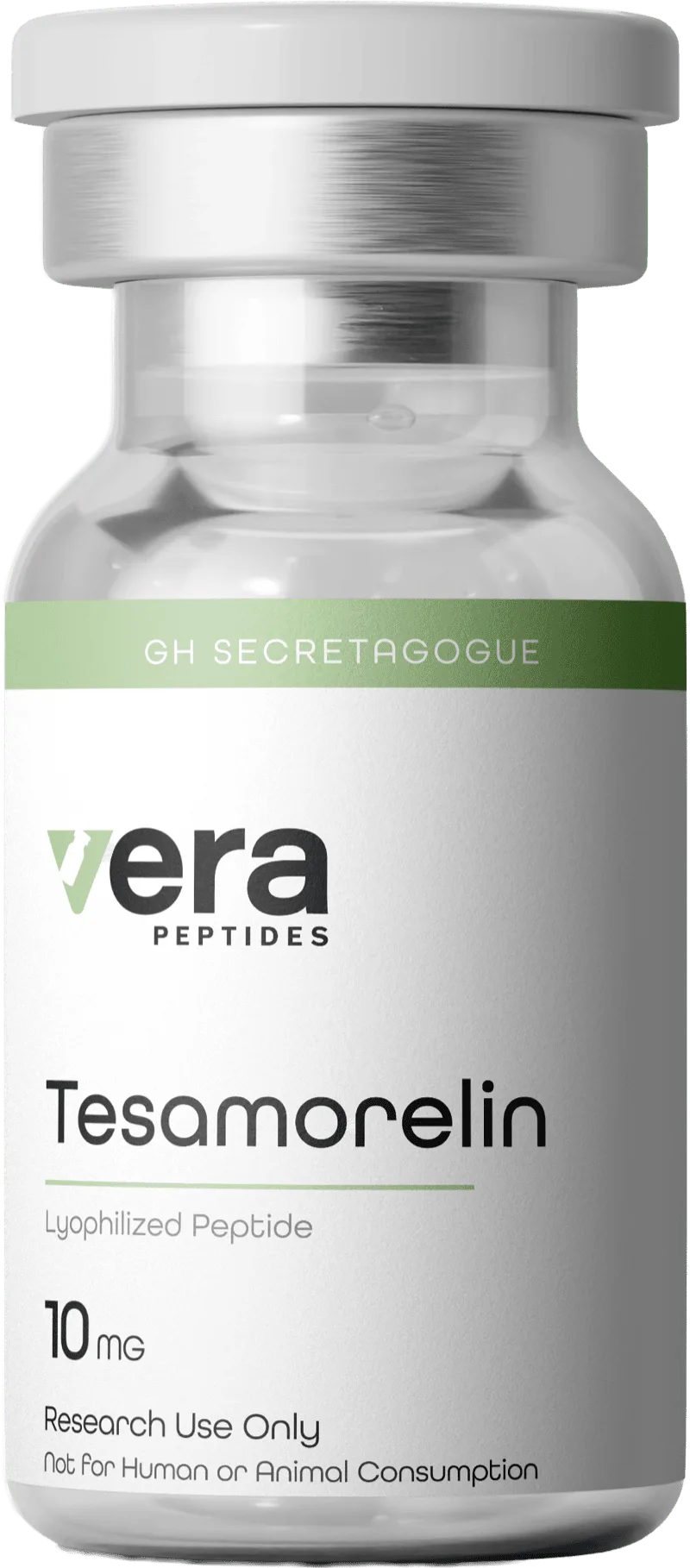
This catalog covers the most commonly cited research compounds in the secretagogue family: Sermorelin (a 29-amino-acid GHRH analog), Tesamorelin (a stabilized GHRH analog studied for visceral adiposity in research models), Ipamorelin (a selective GHS-R agonist with minimal cross-reactivity), the CJC-1295 (no DAC) + Ipamorelin combination used in pulsatility studies, and recombinant IGF-1.
Lyophilized peptides ship at ambient temperature in sealed amber vials. Long-term storage at −20 °C is recommended; reconstituted material should be refrigerated at 2–8 °C. Every lot carries a third-party Certificate of Analysis. For laboratory research use only — not for human or animal consumption.
Growth Hormone Secretagogues (5)